
International School Montessori Compostela
PRIMARY – ELEMENTARY – SECONDARY
From 3 to 16 years old
Our mission is to be a transformative project, an educational project to really improve humanity
Based in the Colexiata de Sar, in the heart of Santiago, surrounded by history, culture and local tradition
Montessori Compostela is an international trilingual school covering the second stage of Primary (3-6 years old), Elementary Education (6 to 12 years old) and Secondary (12 to 16 years old). It is located in the neighborhood of Sar, in the Colexiata de Sar.
Montessori Compostela is a secular and independent school, in which the emotional safety and the maximum development of every child’s potentialities are the foundation for every teaching activity.
The center is directed by AMI (International Montessori Association) accredited professionals, and the teaching staff share a profile including university studies, professional experience, Montessori certification and human quality.
identity
Active
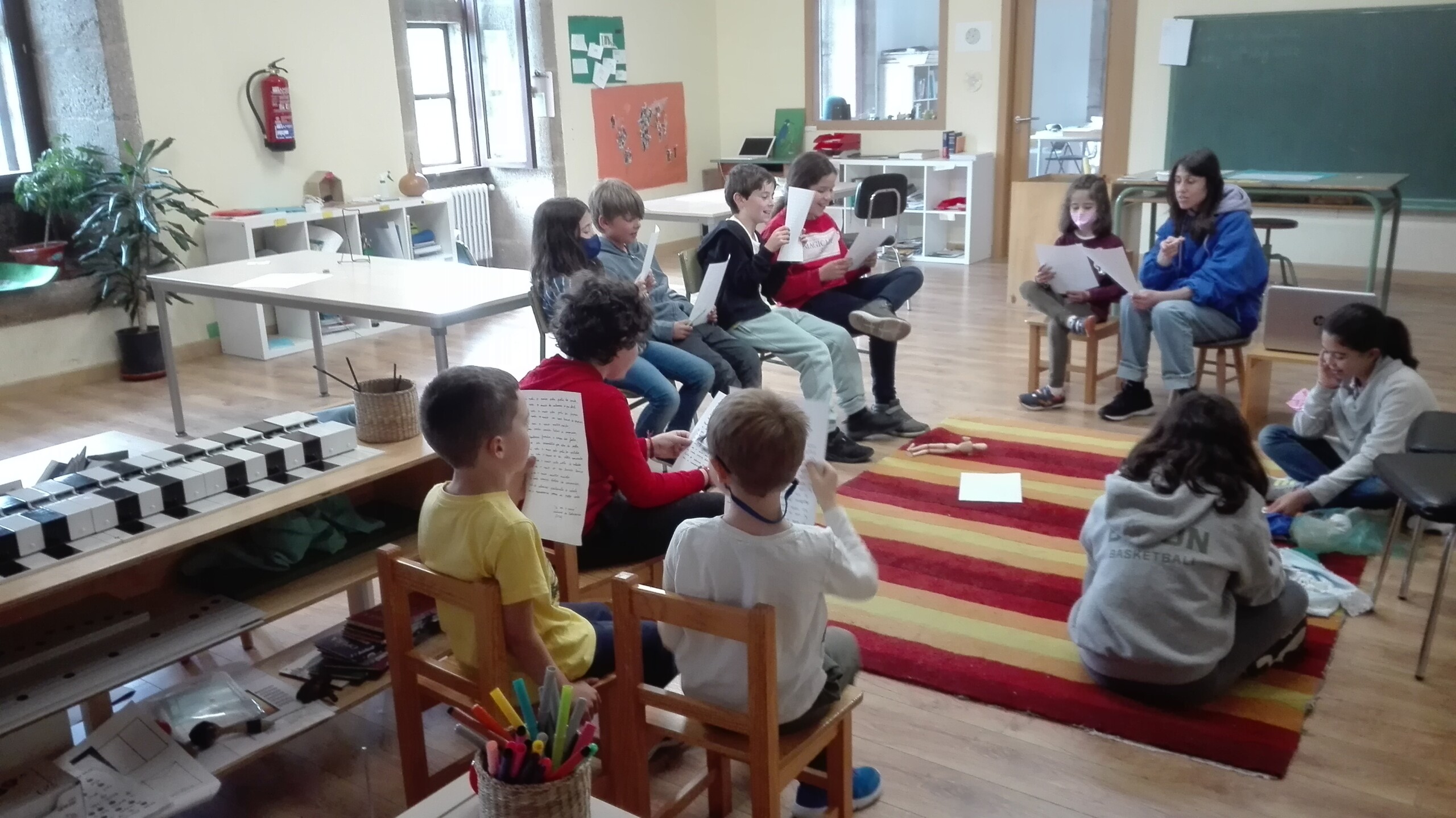
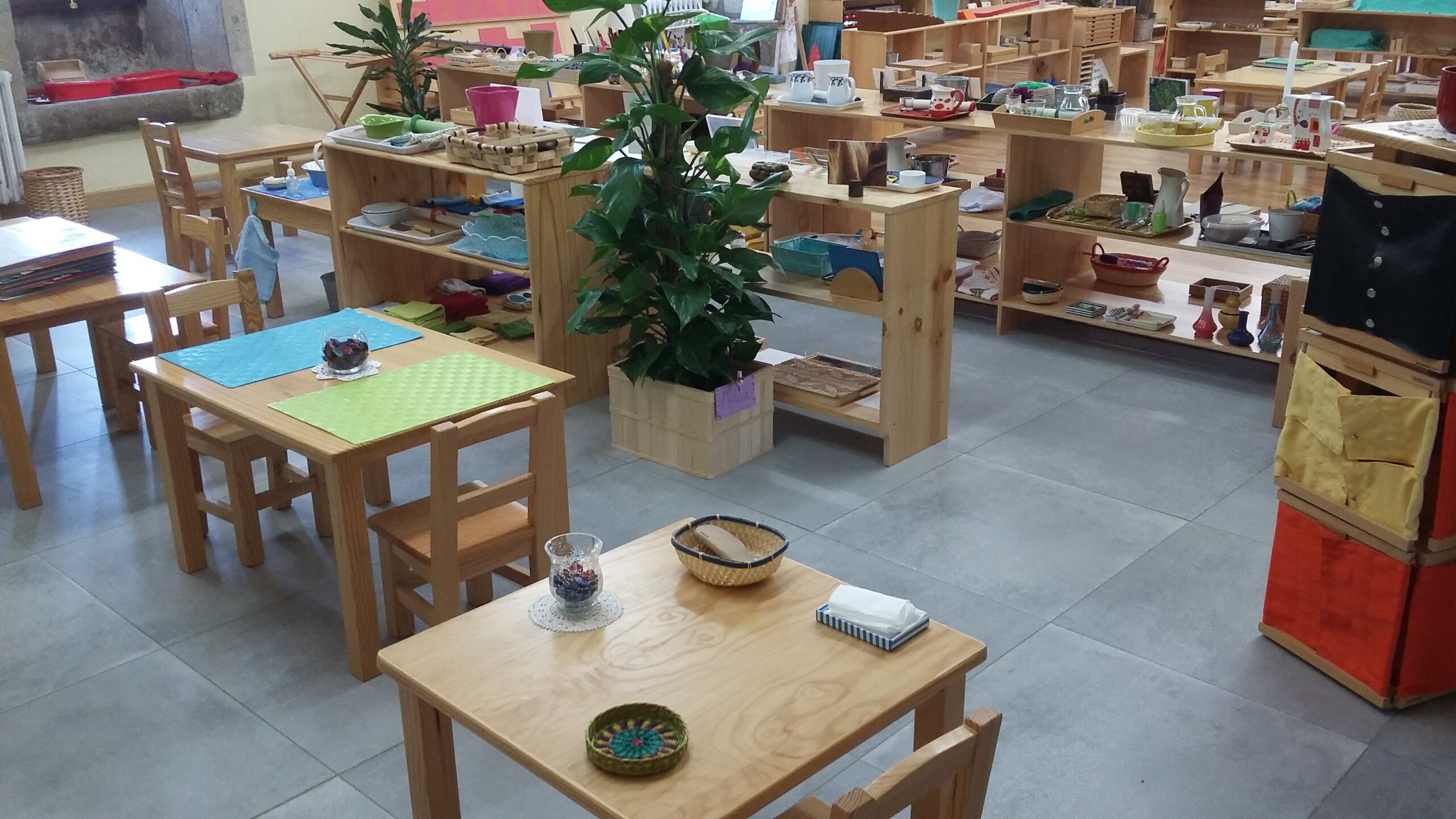
This is a school based in a methodology that fosters self-learning in a prepared and dynamic environment, which provides emotional safety and is rich in resources that cover all the areas of the curriculum (and beyond) in an integrated way, and which allows the development of the full potential of every child.
The interests, rhythms and developmental and social needs of the students are respected in an environment that helps independent actions, expression, interaction, self-esteem, experimentation, investigation and autonomy.
International
Our school understands Compostela as a transcendental town in the world; historic confluent and permanent of diverse cultures, languages and traditions, and at the same time, the origin of an enriching flow in the same cultural, language and traditional terms that nourish all civilizations.
Coeducational
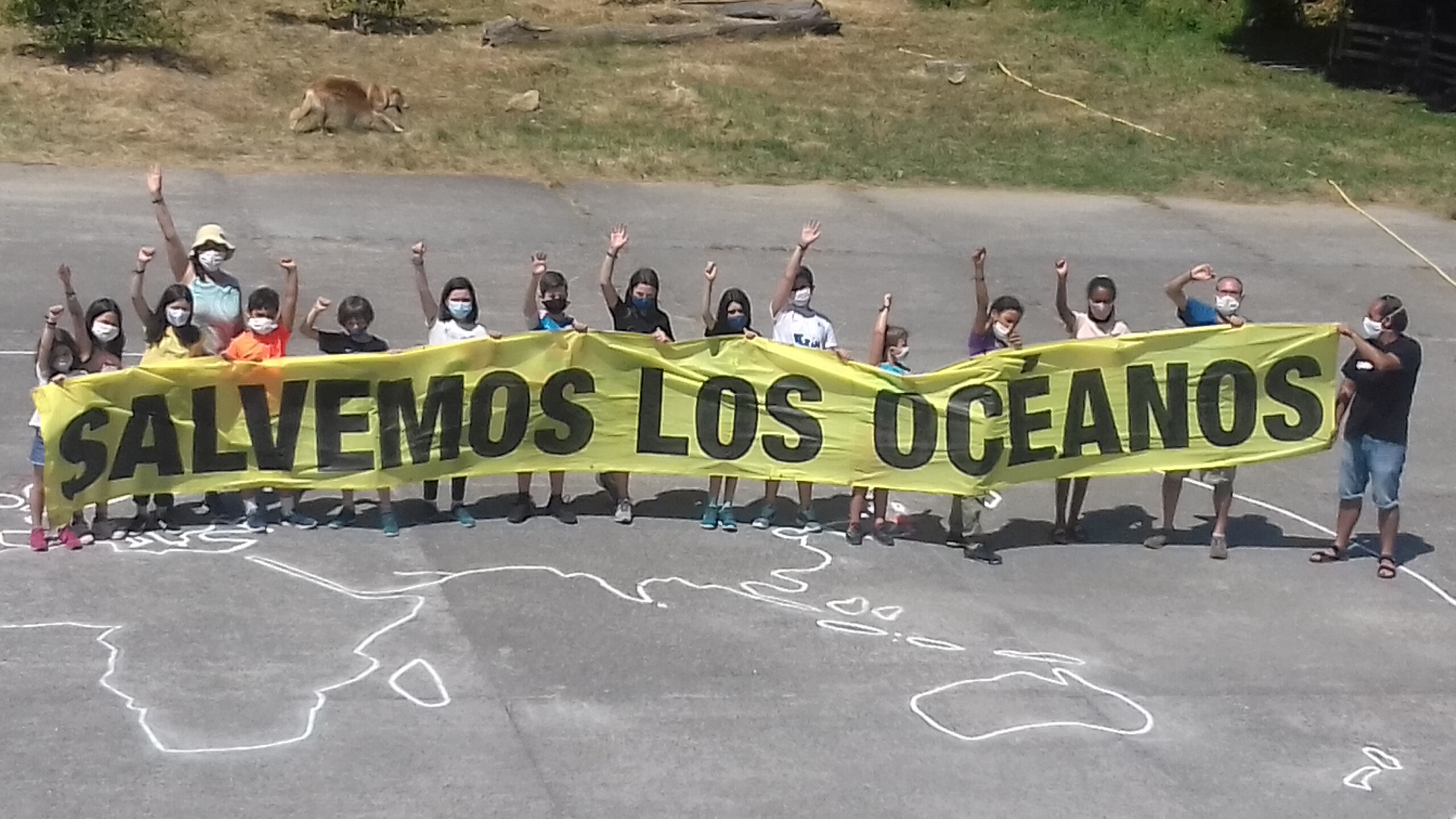
In our school diversity is perceived as richness, we educate for life, differences are treated equitably, we work for the empowerment of every person and for sustainability, acknowledging the knowledge and skills typical of women and men through history and valuing the daily occupations and activities.
Our school promotes work with a continuous re-approach of our perspectives and relationships, as individuals and as members of a community, all being responsible for a full and effective enjoyment of human rights.
A coeducational identity is essential for a real and effective education for peace and for the school to be a space for social transformation.
Montessori
Our school’s philosophy, along with Montessori scientific pedagogy (endorsed by neuroscience), considers education as a way to achieve freedom, autonomy, independence and human solidarity. Education is a support to the life of the human being and their relationship with the world.
The key aspects of our pedagogy are: focus on the student, prepared environment and quality training (pedagogical and human) from the teacher.
Pedagogical principles: every individual creates their own abilities, education must satisfy the developmental needs of every individual respecting their own way; the priority of education must be the study and appropriate response to the developmental needs according the the different stages, in an free environment.
Raquel
Ángel

Ana

the school
Montessori Compostela is a trilingual international school authorized by the Galician government (Xunta de Galicia) as a foreign teaching centre. Located in the Sar neighborhood, it is the building next to the Santa María de Sar church, called Colexiata de Sar.
The centre launched its teaching activity in September 2016, offering the following levels: Children's House, equivalent to the second cycle of Early Childhood Education (ages 3 to 6), and Workshop 1 (Lower Elementary), equivalent to the first years of Primary Education (ages 6 to 9).
Over the following academic years the number of students and levels offered were increased so as allow the pupils who started in 2016 to continue their education until they completed the last year of Upper Elementary (ages 11-12), and from September 2020 the Adolescent Program (from 12 to 16).
An outdoor area of over 4,000 m2 as well as 900m2 of useful area for the classrooms on the ground and first floors, with windows facing the church cloister, all provide a unique learning environment.
The school has been certified by an internationally recognised US agency. Our support and assessment system meets the most demanding and high-quality educational practices.
Montessori Compostela is an international school with the vision of creating intercultural citizenship.
We are a school where girls and boys can really grow by following their own inner guides and where emotional education (and safety) is as important as academic goals (the former being a precondition to achieve the latter).
Following that vision and aims, the school is based on five basic principles:
- Emotional education and safety.
- Academic excellence.
- Interculturality.
- Ecologism.
- Feminism.

stages
CHILDREN'S HOUSE
Primary. 3-6 years old
I EXPLORE, OBSERVE, ABSORB, PRACTICE
AND FINALLY I UNDERSTAND THE QUESTION… WHAT IS THIS WORLD ABOUT?.
I WORK FOR AND DEVELOP MY PHYSICAL AND FUNCTIONAL INDEPENDENCE.
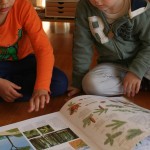
During the first six years of life, children have opportunities to go through intellectual and emotional paths with a unique ability and extraordinary mental powers, based on their ability to absorb knowledge indiscriminately, without an effort and unconsciously, while they are enjoying the opportunities that the environment offers, playing, moving and exploring.
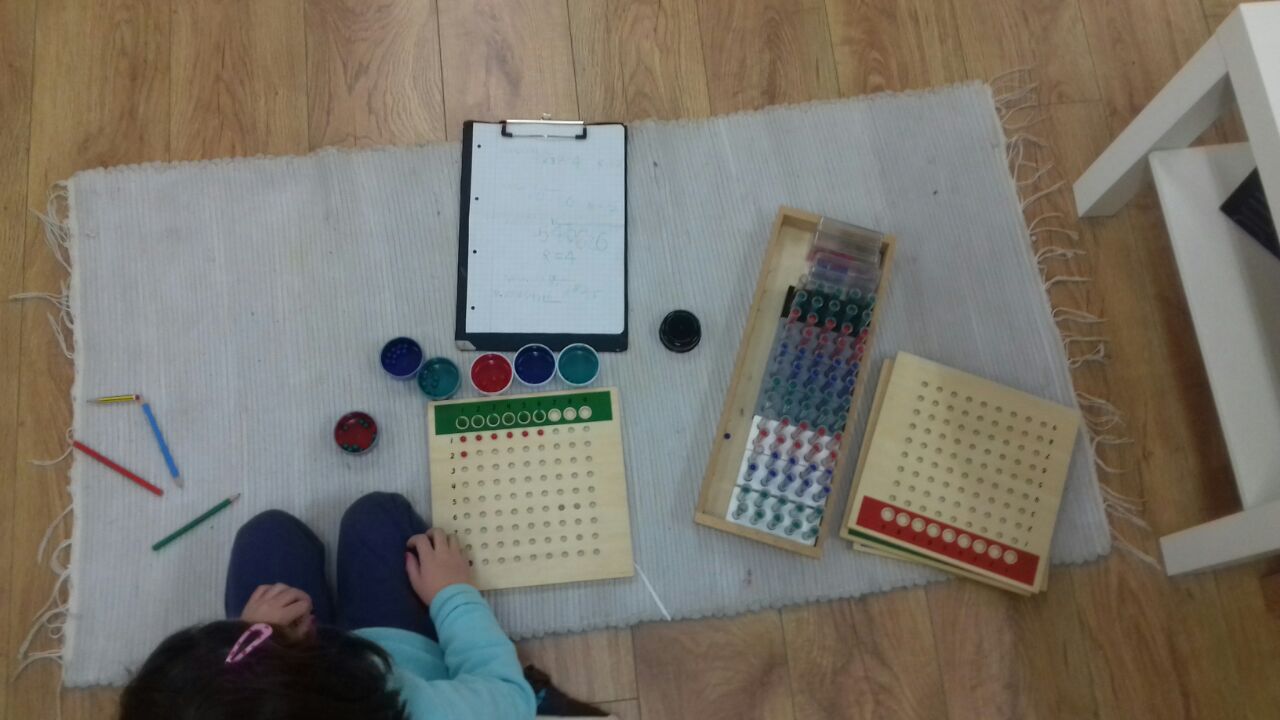
Children aged 3 to 6 are creating themselves and perfecting their own acquisitions. In this self-construction of their own self, the environment in which they live is essential. In a Primary classroom (environment) we support their natural tendency towards independence, encouraging the possibility of choosing meaningful activities based on their own interests.
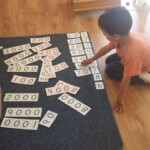
During this stage the environment is divided into four main areas: Practical Life, Sensorial, Language and Mathematics, all of them enriched in a dynamic way with cultural activities that we can relate to subjects such as geography, history, science, music, etc. and to a space full of possibilities to develop artistic activities and outdoors.
In the classroom there are children of the three ages, which provides an opportunity for the youngest ones to learn from older classmates, and, at the same time, the latter develop their self-confidence and self-esteem by helping their younger classmates and consolidate their learning. A strong sense of community and respect for the others and for the environment is created.
This period of development children work for and develop their functional independence.
TALLER
Elementary. 6-12 years old
I ASK, REASON, EXPERIMENT, INVESTIGATE AND UNDERSTAND HOW THE WORLD WORKS AND HOW I AM PART OF IT.
I WORK FOR AND DEVELOP MY INTELLECTUAL INDEPENDENCE.
During this stage, the children are researchers; they have an insatiable curiosity and excitement for learning. They develop new abilities of analysis, imagination, socialization and creativity. They want to know the “why” and “how” of physical, chemical, biological, social, cultural phenomena and the school environment must allow it.
The starting point for learning in the different areas of knowledge and their relationships are the stories told by their teachers, known as the “Great Lessons”. They are the outset to progress in the curriculum in an integrated way. The limits are in the imagination of each student.
The Montessori classroom in Elementary is a learning community rich in opportunities for every child to discover their own potentialities, while they receive individual support in each of their academic, emotional and social needs. The materials and the bibliography allow open experimentation and investigation, so each student can develop according to their own abilities and curiosity.
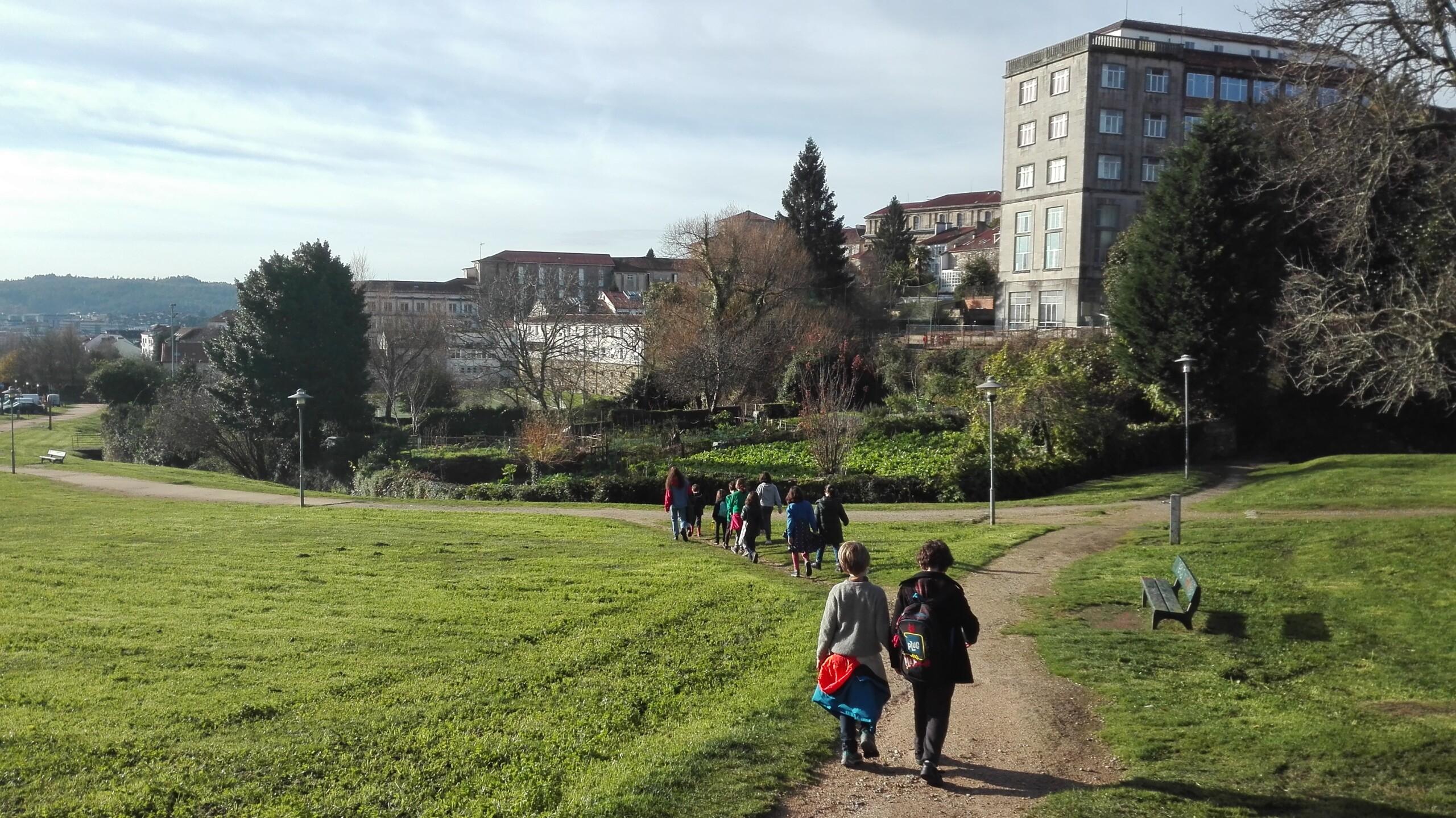
During this stage they enjoy working in groups and the environment allows socialization, responsibility and the feeling of contributing to a community. The classroom with mixed ages provides opportunities for social development and for enriching and consolidating the learning. The experiences of cooperative learning foster the practice of social abilities necessary for planning and carrying out their group projects. At this stage, the school environment is not enough, so there are going-outs organized by the students.
ADOLESCENTS PROGRAM
Secondary. 12-16 years old
I DO REAL WORK AND STUDY WITH REAL CONSEQUENCES AND OUTCOMES, I TRY TO UNDERSTAND HUMAN´S BEHAVIOR, I BELONG TO A COMMUNITY TO WHICH I WANT TO CONTRIBUTE.
I WORK FOR AND DEVELOP MY SOCIAL AND ECONOMIC INDEPENDENCE.
Young adolescents passed to an abstract social sentiment for men and women in general. They feel an abstract love. Their main sensitivities are “personal dignity” and “justice”.
Vocation and militancy occur during this stage of development. Adolescents want o make a direct contribution to society and be recognized. They need and want to investigate and experience on their own, to really and authentically “live society”. For these reasons the Secondary education must provide opportunities for real study and real work. They must develop by themselves production and exchange activities, guided by their interests and motivations.
That work allows them to come through economic independence and therefore it gives them a sense of dignity.
The task of the adolescent is to build a new social human being, the construction of the social personality. He or she is a social newborn.
The work must be manual and intellectual and the “valorization” of the whole personality is a corner stone that guides the adults who accompany the young adolescents in their path to complete and healthy development.
Therefore this is what we are doing in Montessori Compostela: protect the adolescents providing them the environment needed for the development of their full potential; help them to comprehend their function and place in society; support them in the development of their socioeconomic independence; provide opportunities for them to employ the independence (physical, functional, intellectual and moral) which they have gained through their work of self construction and development in the previous stages of their life. These opportunities imply work within a community, with the peers, in solidarity, and feel a useful and contributing member of the community.
FAQs
pedagogical
operational issues
contact
Email: info@montessoricompostela.org
Mobile phone: 670.203778
Rúa de Sar s/n. Colexiata de Sar. CP 15702
Santiago de Compostela. A Coruña. SPAIN